

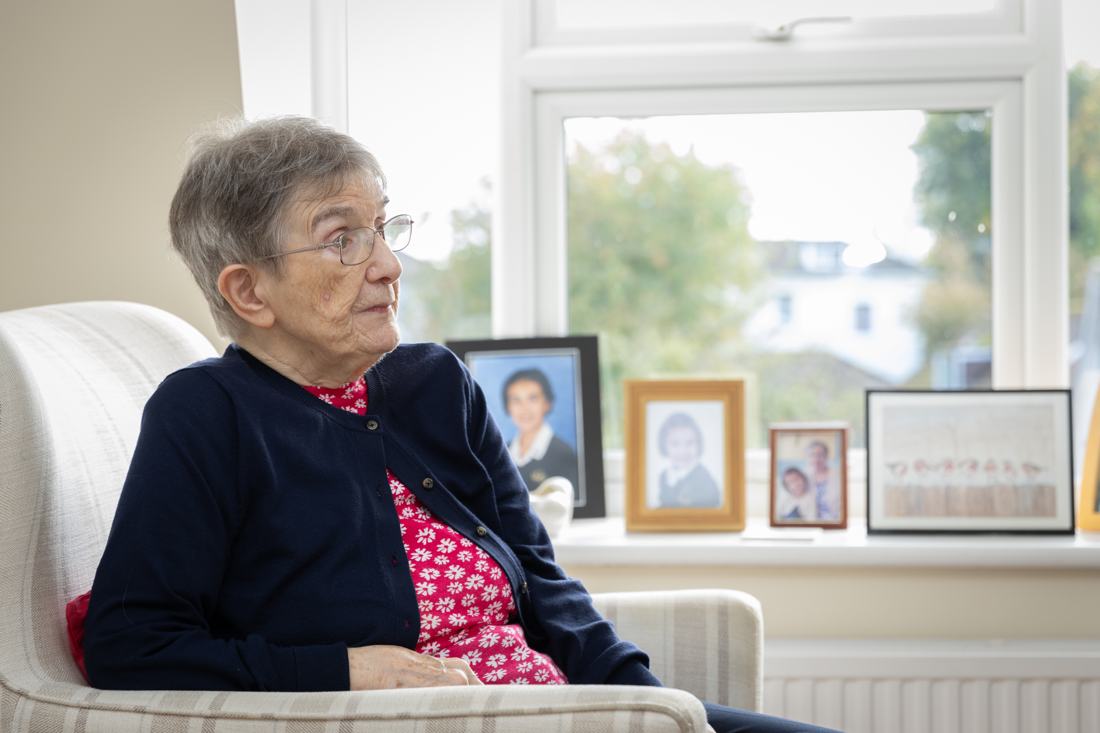
- Loneliness, anxiety and depression are common, and often hidden, in later life.
- The guide explains causes, signs and how the three are linked.
- It shows how companionship and regular home care can help, and what families can look out for.
Loneliness, anxiety, and depression are among the most common, yet often hidden, challenges facing older adults today. At All About Home Care, we see first-hand how these struggles affect not only the elderly but also their families and caregivers. By understanding the causes, recognising the signs, and offering compassionate support, we can make a powerful difference in the daily lives of older people. Our friend Brian Page from Aquarius Mental Health Solutions has developed an informative guide that can help us understand these mental health struggles better. Scroll down to download the guide for free and to watch our full interview with Brian Page.
Why Elderly Mental Health Matters
Mental health is as important in later life as it is in youth. It refers to our psychological, emotional, and social wellbeing: how we think, feel, and behave. For elderly people, maintaining mental health can be more complex due to physical decline, social changes, or bereavement.
At All About Home Care, we believe dignity, independence, and emotional wellbeing are essential parts of ageing well. By offering tailored home care support, we aim not just to assist with daily tasks, but to provide companionship, reassurance, and genuine connection.
Loneliness in the Elderly
Loneliness isn’t simply being alone. It is the perception of disconnection; the feeling that there is no meaningful contact with others. Older adults may feel isolated even when surrounded by people, especially if they lack deep social bonds.
Causes of Loneliness in Older Adults
- Loss of a spouse or close friends – Bereavement often reduces social interaction dramatically.
- Reduced mobility or health problems – Arthritis, poor vision, or stroke may limit the ability to go out.
- Geographic distance from family – When children live far away, daily contact becomes rare.
- Retirement – The loss of workplace community can leave a void.
- Technology gap – Struggles with smartphones or video calls can increase disconnection.
- Living alone – Especially common for older women or the very elderly.
The Impact of Loneliness
Persistent loneliness doesn’t just affect mood. It can contribute to anxiety, depression, and even physical decline. Research shows it may increase the risk of dementia, cardiovascular problems, and reduced life expectancy.
Anxiety in the Elderly
Anxiety is a natural body response to fear or worry about future events. While occasional worry is normal, persistent anxiety can affect quality of life and independence in older adults.
Common Causes of Anxiety in Older People
- Health concerns or chronic illness – Fear of worsening conditions or pain.
- Loss of independence – Needing daily help can trigger feelings of helplessness.
- Financial insecurity – Worries about managing on a fixed income.
- Bereavement – Grief often triggers anxiety about being alone.
- Fear of falling or injury – Especially after a previous fall.
- Relocation or change – Moving into assisted living or a new environment.
How Anxiety Shows Up
Older adults may express anxiety through restlessness, sleep problems, or constant worry. Sometimes it appears as irritability, withdrawal, or even physical complaints like headaches and digestive issues.
Depression in Older Adults
Depression goes beyond sadness. It is a persistent low mood, lack of self-worth, and feelings of hopelessness. Unlike temporary sadness, it can profoundly impact daily functioning.
Triggers of Depression in the Elderly
- Loss of loved ones – Bereavement is one of the strongest triggers.
- Chronic illness or disability – Ongoing health issues can lead to despair.
- Cognitive decline – Dementia and memory loss often cause frustration and sadness.
- Social isolation – Lack of social interaction deepens hopelessness.
- Financial stress – Worries about expenses or housing.
- Sleep problems – Insomnia strongly correlates with depression.
Recognising Depression
Look for changes in eating or sleeping patterns, withdrawal from activities once enjoyed, low energy, and loss of interest in personal care. Families sometimes mistake these symptoms for “normal ageing” but they are not. Depression in the elderly is treatable and deserves prompt support.
The Link Between Loneliness, Anxiety and Depression
These three conditions often overlap. Loneliness can fuel anxiety, which in turn may lead to depression. Depression can deepen isolation, creating a cycle that is difficult to break without help. Recognising this interconnection is vital for families, caregivers, and healthcare professionals.
Breaking the Stigma
Sadly, stigma around mental health is still common among older generations. Many older people feel ashamed to admit they are struggling, or they worry about being judged.
At All About Home Care, we challenge this stigma. We know that elderly people are not defined by illness or condition. They are individuals with histories, stories, and value. Supporting mental health in later life is not a weakness; it is a form of strength and respect.
How Compassionate Home Care Can Help
Elderly people experiencing loneliness, anxiety, or depression benefit greatly from personalised home care. At All About Home Care, our carers go beyond tasks like cooking or medication reminders. We provide companionship, conversation, and emotional support that directly reduces feelings of isolation.
Our Approach
- Companionship visits – A friendly face, a listening ear, and meaningful conversation.
- Encouraging independence – Supporting daily routines without taking control away.
- Connection with community – Helping older adults access social groups, Memory Cafés, or online calls with family.
- Observation and support – Recognising early signs of distress and communicating with families.
- Consistency – Familiar carers build trust and lasting relationships.
Recognising the Signs as a Family Member
If you notice your loved one:
- Withdraws from conversations
- Shows changes in mood or appetite
- Sleeps poorly or too much
- Becomes unusually anxious about small matters
- Expresses feelings of hopelessness
…it may be time to seek extra support.
Resources for Families and Older Adults
Alongside our dedicated carers, families can also turn to:
- Age UK
- Alzheimer’s & Dementia Support Services
- Mind
- Dementia UK
- Carers’ Support East Kent
- Kent & Medway NHS Partnership Trust (KMPT)
All About Home Care – Here for You
At All About Home Care, we believe elderly mental health deserves as much care as physical health. Our mission is to provide care good enough for our own families, combining professional support with human warmth.
If your loved one is struggling with loneliness, anxiety, or depression, our compassionate home care services in Kent, Tunbridge Wells, Tonbridge, Sevenoaks, and Maidstone can help. We work closely with families to ensure dignity, safety, and emotional wellbeing for every client.
Conclusion
Loneliness, anxiety, and depression in the elderly are not inevitable parts of ageing. With understanding, support, and compassionate home care, older adults can maintain independence, purpose, and joy. Families don’t need to face these challenges alone. All About Home Care is here to walk beside you every step of the way.
Watch the Full Interview with Brian Page
In this powerful and honest conversation, we sit down with Brian Page, founder of Aquarius Mental Health Solutions, to talk about his journey into the world of mental health support.
Brian shares openly about his own struggles with mental health, what led him to change his career path, and why vulnerability can be a strength when helping others.
👉 In this interview, we cover:
- Brian’s personal journey and motivation for becoming a Mental Health Coach
- Loneliness, anxiety, and suicidal ideation – and how lack of choice can make people feel trapped
- The role of opioids in pain relief and the dangers of addiction
- Why reaching out and talking to someone can be life-saving
- The importance of a safe childhood and the trauma caused when it’s absent
- How vulnerability and humility make Brian an exceptional leader in delivering Mental Health Programmes nationwide
Common questions
How can home care help with loneliness?
Regular visits from a familiar carer bring companionship, routine and someone to talk to, as well as practical support at home.
What should I do if I think a relative is depressed?
Talk to them kindly and encourage them to see their GP. If you are worried about their safety, seek medical help promptly.